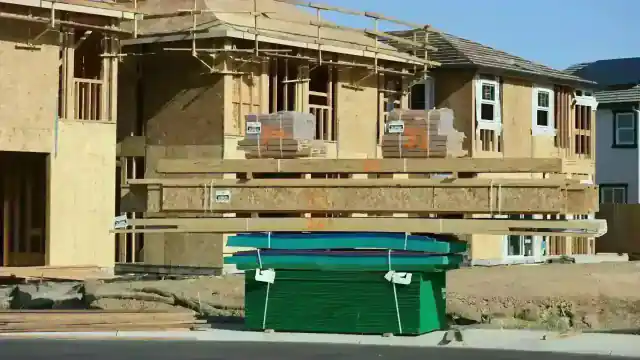
Restroom counts in Vancouver move with the trade schedule. Framing and punch-list phases put different headcounts on site, and a bank sized for the busiest week is cheaper than emergency service calls during it. Dispatch can stage units before crews arrive so the first morning is not the one people remember.
If you are coordinating from outside WA, send cross streets, photos of the placement pad, and any security gate instructions. Drivers for Vancouver routes succeed when they know whether to expect gravel, chip seal, or a lifted sidewalk lip before they commit to a drop.
This page outlines how we approach Vancouver specifically, not a generic nationwide blurb with the city name inserted. Below you will find local coverage notes, Washington compliance context, and the project types we see most often in the Pacific Northwest.
Delivery logistics on Vancouver streets and job sites
Successful drops in Vancouver start with a placement photo and a reachable phone on delivery day. Access problems like soft shoulders after rain cause more reschedules than price disagreements do. Trucks do not get smaller because the rental is urgent.
Utilities should be located before roll-offs sit for a week. In WA, homeowners sometimes assume grass strips are fair game; municipalities may still treat them as ROW. Mark spray paint and photos reduce tickets.
For multi-family jobs in Vancouver, confirm that unit placement does not block fire lanes or trash corrals. Supers who send a site map with a north arrow help drivers orient in repetitive courtyard layouts.
Pickup timing should be confirmed 24 hours ahead when possible. Routing software batches Vancouver stops geographically; a late confirmation bumps you to the next truck wave.
Recent project patterns we see in Vancouver
Dispatch logs for Vancouver show recurring combinations: multifamily turnover cleanouts paired with church parking-lot repaving, especially when owners consolidate trades on one timeline. Those pairings influence whether you want one long rental or two shorter swaps.
Crews often run school stadium upgrades parallel with retail build-outs with nightly trash pull-outs in the Pacific Northwest markets. When both are active on the same block. We separate sanitation from debris so guests never cross active haul zones.
Emergency work, burst pipes, tree blow-downs, partial collapses, spikes after severe weather in Washington. Vancouver calls during those windows should include photos of standing water or blocked lanes so drivers know whether a swap is realistic the same day.
If your scope is unusual (asbestos abatement coordination, laboratory decon, waterfront marine work), say so upfront. Vancouver partners route specialty waste differently than standard C&D or event units.
Neighborhoods, corridors, and ZIP coverage in Vancouver
Service routes commonly include Downtown Vancouver, Vancouver metro, Greater Marysville area, North Seattle area, South Spokane area, East Tacoma area. These names come from how drivers describe zones, not a promise that every cul-de-sac is identical, but a map of where Vancouver stops cluster each week.
We confirm ZIP-level coverage when you call with your street address in Vancouver, WA. Dispatch uses your ZIP to assign the closest available hauler or sanitation partner.
Crews also run WA corridors toward Portland when jobs sit on city edges. If your address is technically Vancouver but your access road comes from a suburb, mention both names on the quote.
Industrial pockets, hospital districts, and school campuses inside Vancouver often have internal roads. Send the campus point of contact and after-hours number. Guards change shifts more often than rental lengths.
Working across Vancouver and neighboring WA markets
GCs who bounce between Vancouver, Portland, and Portland benefit from one coordinator number. Inventory still varies by yard, but your quote paperwork stays consistent, helpful when AP reviews invoices from more than one jurisdiction.
Staging yards in Portland sometimes hold units before they reach the active job address in Vancouver. If a unit is staged off site first, say so, because permits and service tickets may reference the yard address instead of the jobsite.
Film, festival, and sports clients may contract in Vancouver while loads originate in Portland. List production dates and strike dates separately, strike pickups are where overtime fees appear if routing is full.
When a Vancouver rental must continue in Portland because the job moved mid-rental, call before the truck rolls. Transfers are not automatic; partners treat them as new logistics even if the box never moved on your map.
How to book in Vancouver without surprises
Call (844) 329-3393 with four items: street address in Vancouver, debris or guest profile, desired drop date, and photos of the placement pad. Dispatch returns a written quote listing tons, days, and service frequency.
If you need COIs, PO numbers, or job codes on invoices, provide them before delivery, retroactive paperwork delays activation on some WA accounts.
Extensions are normal on construction; tell us before the pickup date on the quote. A short extension is cheaper than a failed pickup trip because the bin was still loading on Vancouver routes.
Credit cards and PO accounts are common; ask about billing cadence if your project spans months. Long rentals in Vancouver sometimes move to monthly service tickets after the first haul.
Seasonal timing for Vancouver rentals
Washington experiences marine-layer moisture and steep hillside driveways. In Vancouver, that shows up as subdivision loops and HOA visibility rules on front-yard placement. Plan buffers when scheduling around holidays or school breaks.
Spring mud slows trucks on unpaved WA lots, and summer heat raises restroom service frequency at outdoor events.
Storm cleanup surges reorder routing for days. If Vancouver is in a declared cleanup window, mention it. Partners sometimes relax swap timing but rarely waive overweight rules.
Book outdoor events in Vancouver before permit offices close for holidays. Restroom counts should be finalized before printed maps go to vendors. Changing counts late is possible but stresses inventory.
How the Vancouver rental market differs from nearby cities
Vancouver bookings diverge from Portland because service routes and partner yard locations are not shared 1:1 across WA. A unit serviced near Portland may sit on a different weekly route than one in Vancouver, even when the cities are only minutes apart on the map.
Projects in Vancouver often stand alone, but subs still commute from surrounding WA towns. Mention commuter staging if your crew parks off-site and walks in. Drivers need the service address that matches the active gate.
Vancouver behaves like a local market within Washington: fewer same-day slots, but also less competition for curb space than the state's largest metros. That balance can work in your favor on long rentals.
Insurance certificates and COI requests show up more on commercial jobs in Vancouver than on backyard cleanouts. If your GC requires additional insured status, ask when you quote so paperwork is attached before the truck rolls.
How many portable restrooms a Vancouver job needs
A single standard unit covers roughly ten workers on a 40-hour week with weekly pumping. Longer shifts, weekend work, or a crew that grows during Vancouver fit-out phases all shorten that interval before the unit itself becomes the problem.
Jobs like retail build-outs with nightly trash pull-outs and warehouse slab pours and saw-cutting debris usually run one bank near the trailer and a second closer to active work, because walking time is what actually drives crews off site. Splitting the count across two placements costs less than the hour a day it saves.
Add a handwash station wherever crews eat on site or where dust and cement are in the air, and an ADA unit anywhere the public reaches the work. Both are quoted per unit, so decide before delivery rather than adding a second trip.
Access decides placement more than preference does. Where downtown loading zones with time windows is a factor on WA sites, tell dispatch when you book so the service truck can reach the unit every week, not just on drop day.
Porta potty, handwash, and trailer options in Vancouver
Construction restrooms in Vancouver are usually quoted with weekly pumping on multi-week stays. Crew size, shift length, and whether women are on site change the count more than square footage does. We document those inputs on the quote PDF so supers can show inspectors a plan, not a guess.
Events such as youth sports tournaments at park complexes and groundbreaking ceremonies with VIP tents need staging in Vancouver before gates open. Units placed after foot traffic arrives create lines, so we recommend delivery 24 hours ahead for fenced lots without overnight security.
Handwash stations are commonly paired with restroom banks on WA job sites, especially when dust or Portland cement is in the air. Events serving food add another layer: units should be upwind of cooking smoke when possible.
When events spill across city lines toward Portland, tell dispatch the full footprint. Service routes are built by address cluster; a missing cross-street can strand units on the wrong side of a rail or river divide.
Washington environmental & ROW: Vancouver, WA
Seattle and Puget Sound jurisdictions often require permits for containers in the curb zone. Green-building jobs may specify waste-sorting or clean-fill dumpsters, describe debris type when quoting.
Applying that guidance in Vancouver means translating state rules to how supers actually stage equipment on WA streets, not just quoting a container and hoping for the best.
Frequently asked questions
Yes, Vancouver, WA is actively routed. Share your street address and placement photos so dispatch assigns the correct truck. Jobs near Portland are common; mention both cities if your access road crosses boundaries.
Routing batches Vancouver by geography each morning. Confirm before noon for next-day; earlier is better for same-day checks.
Gate codes, surface type (asphalt, gravel, grass), overhead lines, and whether the placement blocks a fire lane. For events, include gate open times and the name of on-site security.
Quotes list delivery, rental days, pickup, and standard tonnage or pump schedules. Extra days, overweight loads, or additional services are disclosed before you approve, no hidden line items tied to WA surcharges.
Often yes if the service address is in Vancouver. If the bin or unit must sit on a different town's ROW, say so. Permits may follow the placement city, not the billing address.
A common starting point is one unit per 50 guests for about four hours. Longer events, alcohol service, or lines after intermission increase counts, especially on popular Vancouver weekends.
Weekly pumping is standard on multi-week construction rentals. Festivals may need mid-event service; tell dispatch your peak hours so routes hit Vancouver before gates open.
Extensions are available on most construction rentals if you call before the scheduled pickup. Routing in Vancouver fills quickly during busy weeks, early notice avoids failed pickup trips.
Public ROW placement often requires a city or county permit. Private driveways usually do not, but HOAs may. We advise based on typical WA practice when you quote.
(844) 329-3393. One coordinator line covers Vancouver and surrounding WA routes.