Luxury Rentals
Wedding Restroom Trailer Guide: Comfort for Outdoor Venues
Published January 14, 2026 · 5 min read · 1,009 words
Choose wedding restroom trailers by guest count, power, water, placement, and timing so outdoor ceremonies feel polished and guest-friendly.
Why couples choose restroom trailers
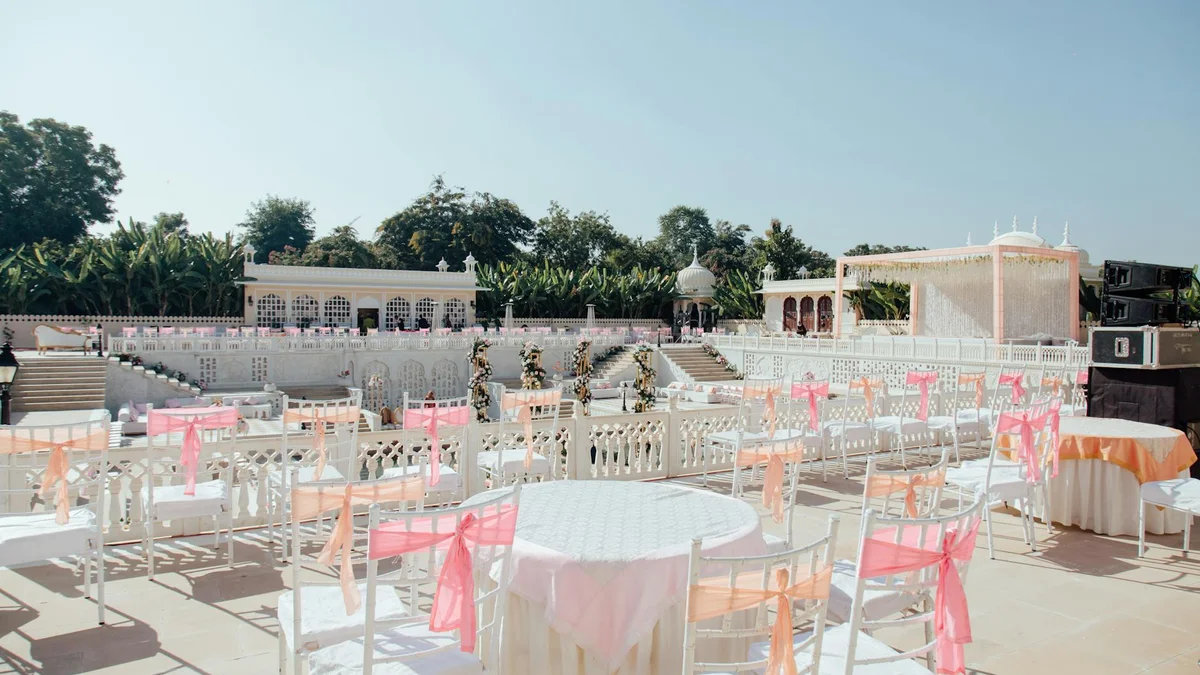
Outdoor weddings at barns, vineyards, and private estates rarely include enough indoor restrooms for peak guest counts. Restroom trailers bridge that gap with flushing toilets, running water, interior lighting, and finishes that match a formal event better than standard construction units.
Guests remember comfort details. Short lines, clean mirrors, and climate-controlled interiors reduce complaints in reviews and photos. Trailers also give elderly guests and families a dignified option without long walks to distant farmhouses.
Discuss trailer placement with your photographer and planner so ceremony sightlines stay clean while restrooms remain easy to find. A short walk beats a long search in formal shoes.
Trailers are not always required for every guest. Many weddings pair one or two trailers for the ceremony and reception core with standard units for vendors, kitchen staff, and overflow parking fields—balancing experience and budget.
Start planning trailers when you book the venue, not the week before invitations mail. Lead times grow during peak wedding season.
Trailer sizes and stall counts
Restroom trailers range from compact two-stall units to multi-stall layouts with separate men’s and women’s sides. Choose stall count from peak guests during cocktail hour and dinner when bars are open, not only ceremony headcount.
A common approach is one stall per many guests for events with alcohol, but venue layout matters more than formulas alone. Spread capacity if guests must climb hills or ride shuttles between ceremony and reception.
VIP trailers near the dance floor serve reception; a second smaller trailer near ceremony seating helps short ceremonies with large guest lists. Discuss floor plans with your coordinator and rental provider together.
View floor plans and photos before booking so you know whether stalls are private rooms or shared entries.
Power, water, and generator planning
Most trailers need electrical hookup for lights, climate control, and pumps. Confirm voltage and amperage with the venue and your rental company. Farms may only offer distant outlets—extension distances and GFCI protection must be planned safely.
If grid power is unavailable, generator rental is typical. Size the generator to trailer specs plus margin; shared generators with DJ and catering can fail if undersized. Place generators downwind of guests with proper cord routing and refueling access.
Some trailers use on-board fresh and waste tanks for limited service without sewer ties. Others can connect to garden hose fill and sewer dump if the venue allows—ask about restrictions on well water or septic load.
Rehearsal day is a good time to test power and water paths before guests arrive.
Site visit: slope, access, and surfaces
Trailers are heavy. They require firm, level pads—grass may need plywood or temporary decking after rain. Measure gate width, overhead branches, and turning radius for delivery trucks pulling long trailers.
Walk the route from parking to trailer placement with photos. Note steps, gravel, and irrigation lines that could block setup. Venues sometimes mandate hidden placement behind hedges—ensure hidden still means serviceable.
Keep trailers within reasonable walking distance of reception but away from kitchen exhaust and generator noise when possible. Guests should see signage, not stumble on units in the dark.
Confirm whether the venue requires shoe-friendly steps and handrails for trailer entries—some insurers mandate them.
Delivery and pickup timing
Schedule delivery after major equipment arrives but before florals, aisle décor, and guest-facing details block access. Many couples prefer delivery two days before the wedding for testing, with a service check the morning of.
Pickup happens after breakdown—often Monday for Saturday weddings. Late-night teardown may still leave guests on site; coordinate pickup with venue curfew and noise rules.
Lock trailers when unattended during rehearsal dinners to prevent unauthorized use. Provide keys or codes to your planner and day-of coordinator.
Weather contingencies: high wind may delay delivery or require anchoring plans discussed with the vendor in advance.
Interiors, attendants, and supplies
Ask what is included: toilet paper, soap, paper towels, trash bags, and initial water fill. Premium packages may add baskets, mirrors with good lighting, and music—clarify upgrades versus base rental.
Restroom attendants can manage lines, refresh supplies, and keep surfaces clean during peak use. They are optional but popular for black-tie crowds and large bar service.
Scent control and climate settings should be tested before guests arrive. Overheated trailers fog mirrors; underpowered AC frustrates summer weddings.
Prohibit guests from flushing non-flushable items. Provide a small waste bin for feminine products and clear signage.
Confirm whether a morning-of touch-up visit is included so mirrors and floors look fresh before guests arrive.
Pairing trailers with standard portable units
Kitchen crews, barbacks, and security often use separate standard units away from guest trailers. That keeps vendor traffic from crowding guest stalls and protects premium interiors from heavy boots and supply carts.
Parking fields and shuttle stops may need a small bank of standard restrooms if the walk to trailers is long. Signage should distinguish “Guest Restrooms” from staff facilities.
Photographers sometimes appreciate knowing trailer placement for timeline planning—coordinate group photos away from generator hum.
Budget for both trailer rental and adequate standard units if your guest list exceeds trailer capacity during peak hour.
Budget, contracts, and backup plans
Trailer pricing reflects stall count, interior tier, delivery distance, generator needs, and service visits. Weekend minimums are common. Read cancellation and weather policies—some contracts address acts of God and venue closures.
Insurance certificates may be required by venues naming the rental company as additional insured. Request COI early in planning.
Backup plan if power fails: know who restarts generators, where flashlights are, and whether standard units are on standby. Rare failures are less stressful with a written contingency.
Compare two proposals with the same stall count, power responsibility, and service window.
Questions to ask before you book
Ask for recent wedding references, photos of the exact trailer, included service visits, and who handles overnight issues. Confirm total footprint including steps and tow hitch area.
Verify whether sales tax, delivery, pickup, and cleaning are itemized. Understand fees for extra hours if your reception runs long.
Share your timeline with dispatch—ceremony start, cocktail, dinner, and teardown—so pumps and checks align with bar service.
For wedding restroom trailers and coordinated standard units, call Porta Potty Central at (844) 329-3393 to match your venue and guest list.
Share rain plans and backup power contacts in your rental notes so the day-of team can act quickly without hunting for numbers.
Need equipment now?
Call our dispatch team for a quote on porta potties or dumpsters in your area.
(844) 329-3393