Portable Restrooms
ADA Portable Toilet Guide: Compliance, Placement, and Event Planning
Published · 5 min read · 1,049 words
Understand ADA-accessible portable restrooms—ramp specs, interior space, signage, ratios at events, and how to pair units with standard porta potties on job sites.
What “ADA portable toilet” means on real job sites and events
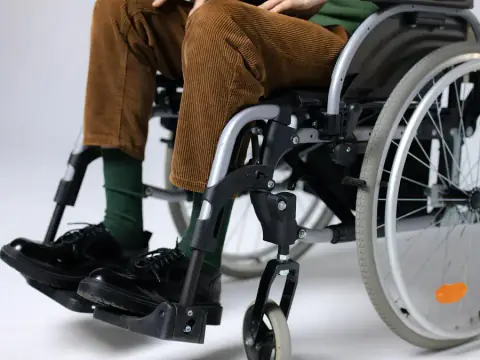
An ADA-accessible portable restroom is designed so people who use wheelchairs, walkers, or mobility devices can enter, turn, and use the fixture with dignity. Unlike a standard porta potty, these units have ramped entry, wider doors, interior grab bars, and floor space that meets accessibility guidelines used in temporary facilities.
Compliance is not only about owning one unit—it is about placement, signage, routes without steps, and having enough accessible capacity relative to total toilets. Construction projects subject to federal requirements often need accessible units on multi-story work when elevators are not yet available, plus accessible routes from work areas.
Porta Potty Central helps customers count total workers or guests, mix standard and ADA units, and schedule service so accessible toilets stay clean and operational. Accessibility failures show up in inspections, event complaints, and lawsuits—planning beats patching with a last-minute delivery.
Key features to verify before you rent
Confirm ramp slope and landing size. A steep ramp or missing level landing makes the unit unusable in wet weather. Doors should open with reasonable force and latch securely for privacy. Interior grab bars should be mounted where users can transfer or steady themselves.
Floor space matters for turns. Ask for interior dimensions and door width, not only a brochure photo. Some “accessible” models are better suited to festivals with firm, level ground than to muddy construction lots—match the unit to site conditions.
Signage should identify the unit as accessible and point users from parking or walkways. Braille and pictogram signs may be required depending on jurisdiction and event type. Ask whether your provider supplies compliant signage or if your event team must post it.
How many ADA units you need
Ratios depend on context. Large public events often use formulas based on total attendance and gender split, with a minimum number of accessible units regardless of percentage. Construction sites follow sanitation rules tied to employee count and layout—one accessible unit does not cover a sprawling site if workers are hundreds of feet away.
A practical approach: place accessible units near main entrances, food service, stages, and parking where routes are paved or matted. On construction, cluster near the field office, lunch area, and elevator banks when structures are rising.
Increase counts for multi-day festivals, beer gardens, and events with older audiences. Long lines at a single accessible toilet are a compliance and customer-service problem. Porta Potty Central can model counts from your attendance estimate and site map.
Placement, surfaces, and routes
Accessible units belong on firm, level ground. Grass slopes, curbs, and gravel without mats block wheelchair users. Use ground protection or plywood paths in mud. Keep routes clear of guy wires, stakes, and cable ramps that trap wheels.
Do not block accessible parking spaces with toilet trucks during delivery. Stagger delivery times so ramps are usable before gates open. For night events, light the path and the unit interior if your package includes lighting upgrades.
Maintenance trucks need access without relocating the unit mid-event. Mark a service lane in your site plan. Moving an ADA unit after the crowd arrives confuses signage and may violate your permit diagram.
Service frequency and cleanliness expectations
Accessible units see concentrated use at peak times. Schedule more frequent pumping and cleaning than standard units—especially at food festivals and summer construction. Hand sanitizer, toilet paper, and grab bars should be checked each service cycle.
Odor and spills disproportionately affect users who need grab bars and precise footing. A dirty accessible toilet is worse than a dirty standard unit because alternatives are limited. Include attendants at very large events to monitor paper and quick-clean between services.
Winterize where needed: anti-freeze protocols, slip control on ramps, and snow removal from approaches. Ice on a ramp is a liability. Porta Potty Central service routes can align ADA units with high-traffic standard banks for efficient pumping.
Construction sites versus public events
On construction, pair ADA units with handwash stations where rules require them. Keep paths from work zones free of debris—OSHA walkway rules and ADA routes overlap in spirit even when codes differ. Update placement as the building grows; a unit by the gate may be too far once work moves to the rear elevation.
Events need gender-neutral accessible options in many markets. Family restrooms and changing areas may require additional specialty units beyond a single ADA box. Weddings and corporate gatherings increasingly request upscale accessible trailers with interior lighting and mirrors.
Document your plan in the site logistics binder. Inspectors and venue managers ask how many accessible toilets, where they sit, and how often they are serviced. A sketch beats verbal assurances.
Common mistakes that fail inspections
Renting one ADA unit for a 5,000-person festival because “we have one.” Placing it behind a stage on grass while standard units sit on asphalt by parking. Blocking ramps with A-frames, merch tables, or coolers.
Using portable toilets as the only accessible restroom when the venue promised indoor accessible facilities—coordinate contracts so responsibilities are clear. Forgetting to reserve space for lift trucks during multi-day builds.
Assuming any blue unit is compliant. Verify model specs with your vendor. Porta Potty Central labels orders by accessible model so dispatch sends the correct floor plan and ramp configuration.
ADA at festivals, races, and public gatherings
Large crowds need accessible units at multiple points—not only by the main gate. Finish lines, beer gardens, and VIP sections each need routes that wheelchair users can navigate without crossing crowd choke points.
Ground conditions matter: mats over mud, cable covers for ramps, and staking in wind. Event producers should walk the accessible route during setup, not only review a site plan.
Long events require servicing accessible units on the same schedule as standard banks. A locked or unserviced ADA unit is worse than none for compliance and guest trust.
Volunteer ushers should know where accessible restrooms are and how to direct guests without sending them across gravel service roads.
Pairing ADA units with standard restroom banks
Tiered placement improves guest experience: standard banks for volume, ADA units at the key nodes, and a handwash station beside each cluster. Map walking distances, because 200 feet feels different on gravel in heels than it does on paper.
For construction, align ADA placement with break areas and safety meetings so training about restroom location is simple. Repeat the map in new-hire orientation when units move.
Ready to quote accessible restrooms for your next project or event? Share attendance or crew count, site surface notes, and event hours. Porta Potty Central will recommend counts, models, and a service schedule that keeps accessible toilets usable from load-in to load-out.
Need equipment now?
Call our dispatch team for a quote on porta potties or dumpsters in your area.
(844) 329-3393